By Lillian Syren, Culture Columnist
Inflation has almost become a buzzword with how often it’s been used or ways it has been invoked as a cause of blame for some other disaster, but what effect does it currently have in the mundane? Americans specifically feel the most damage in their pockets after a trip to the grocery, one of many per month that the average family has to make. Prices for simple staples like bread, milk, meat, toilet paper, soap, etc. have gone through the roof, forcing more and more Americans to resort to food banks or other assistance programs. There has always been a wealth gap between different kinds of foods—caviar versus peanut butter as an accompaniment to a cracker, or lobster versus chicken as a main protein in a meal. These differences have come off as somewhat normal: caviar is much harder to attain and make than peanuts and peanut butter. Lobster, likewise, involves a much more strenuous farming process than raising chickens does. However, the entire category of food in general, no matter the wealth category, is slowly but dramatically slipping out of reach of the wallets of America’s middle and lower class. How does something as common as everyday food get so far out of reach? How are people with means reacting to this scarcity?
The reactions from billionaires and mega corporations are astounding, if not disgusting. Instagram stories are flooded with “casual” arrangements of perfectly ripe, out-of-season food, not meant to be eaten, just to be looked at by someone who knows they can afford the price of the food and waste it. How does this come off to the rest of America, if not the world? Is this what the French Revolution would have looked like if they had had Instagram? While people struggle to buy bread for their children, billionaires spend thousands of dollars on food as decoration, not sustenance. More and more celebrities post pictures of flowers and bouquets they received for Valentine’s Day or other holidays, and what do you know? The bouquets are full of oranges or lemons, cut open in pretty flower arrangements with zero purpose other than to look pretty. Citrus bouquets? During a citrus shortage? This is absurd!
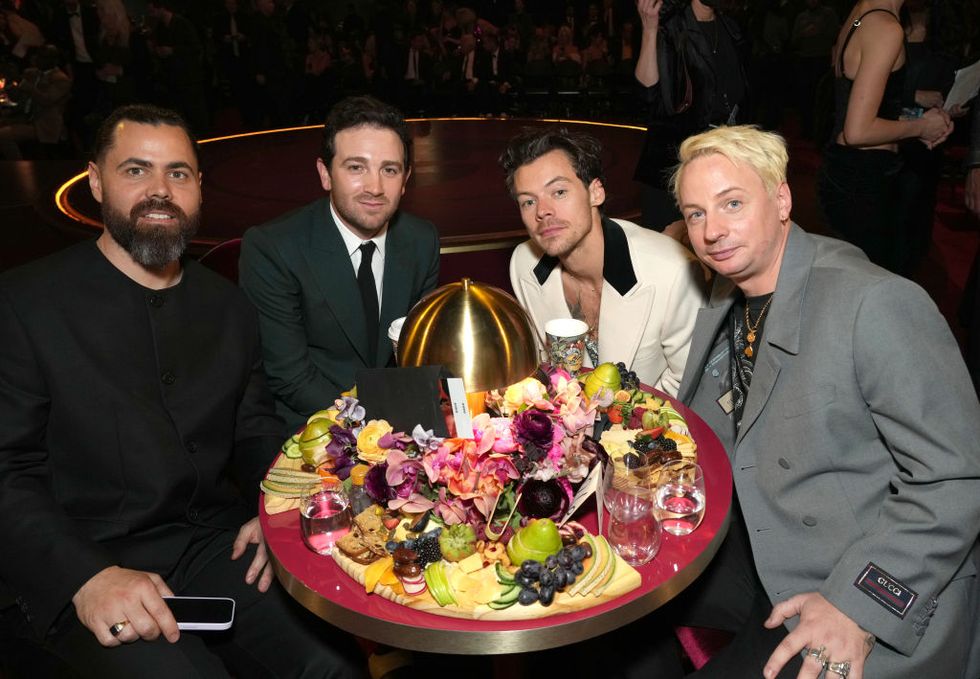
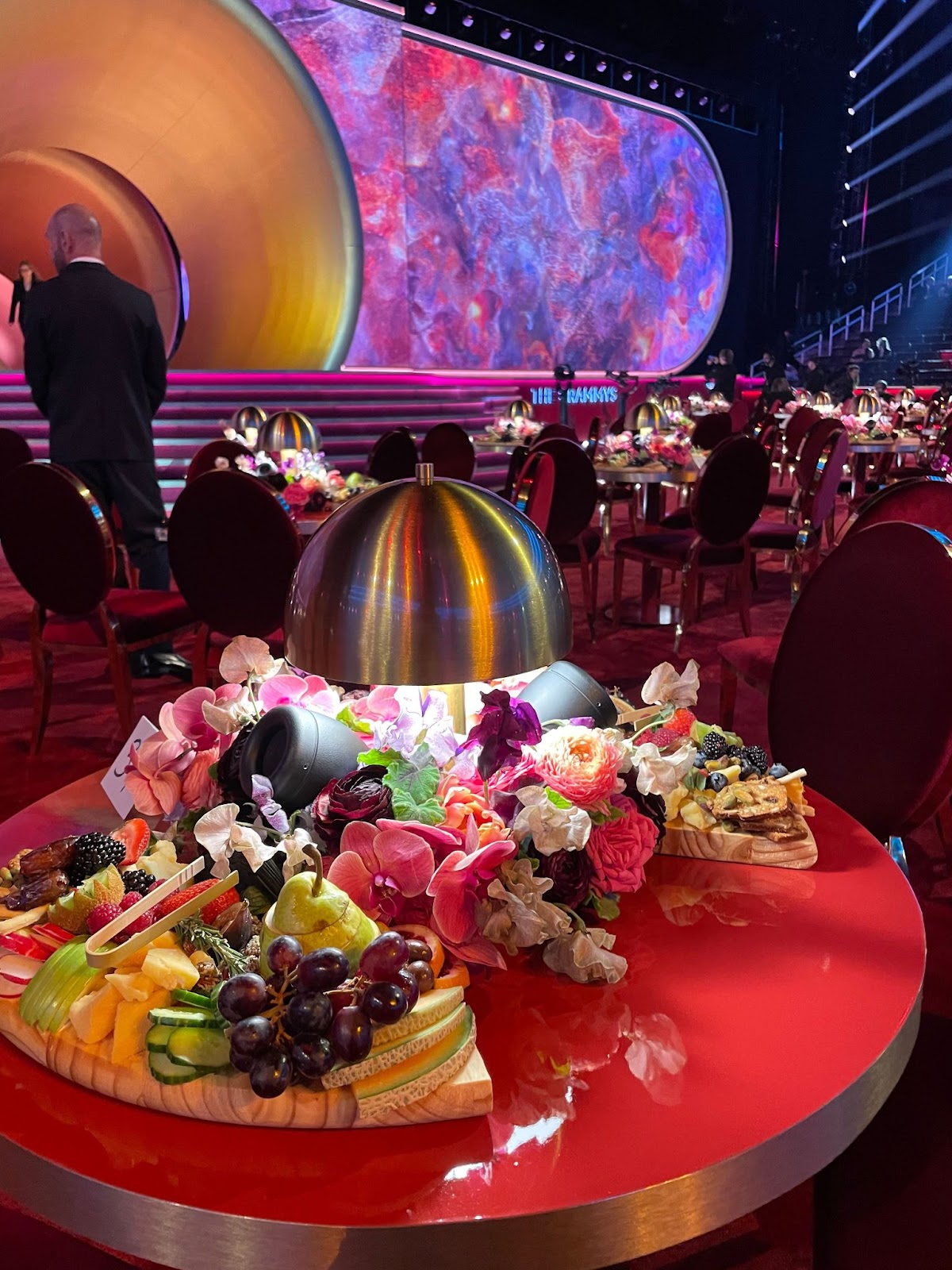
Beyond celebrities’ personal lives, huge cultural events like the Grammys boasted hundreds of tables full of charcuterie boards, not to be eaten, but to be put on as a display of wealth. The centerpieces were full of expensive meats, cheeses, and ripe, off-season fruit, all of which were thrown away because they served as a sign, not a source. Fashion companies are swooping in and turning everyday mundane items into luxury pieces! Louis Vuitton just released a “Paper Lunch Bag” purse with a cute price tag of three thousand dollars. Balenciaga recently put on a runway show where celebrities went to the grocery store and shopped with luxury grocery bags in their luxury designer clothes. It’s almost comically dystopian! These corporations and celebrities see a lack of accessibility and use it as a means to spit in not only struggling American citizens, but those of the entire world. It’s a total mockery of the struggles of food poverty and showcases a devastating truth: food is so expensive that it truly has become a luxury item.
Social media is becoming more and more like a series of Dutch paintings of lavish fruit tables and bountiful harvests…Which aristocrat can have the biggest and most luscious fruit display and put all the peasants to shame?


 The Saint