Story by Lillian Syren, Culture Editor
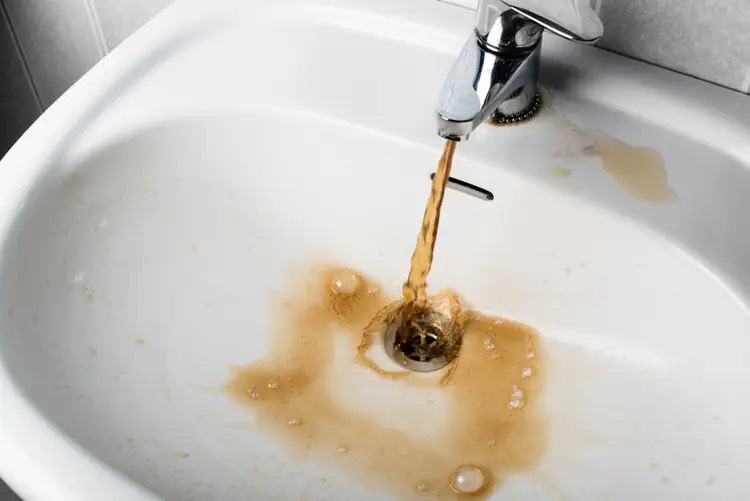
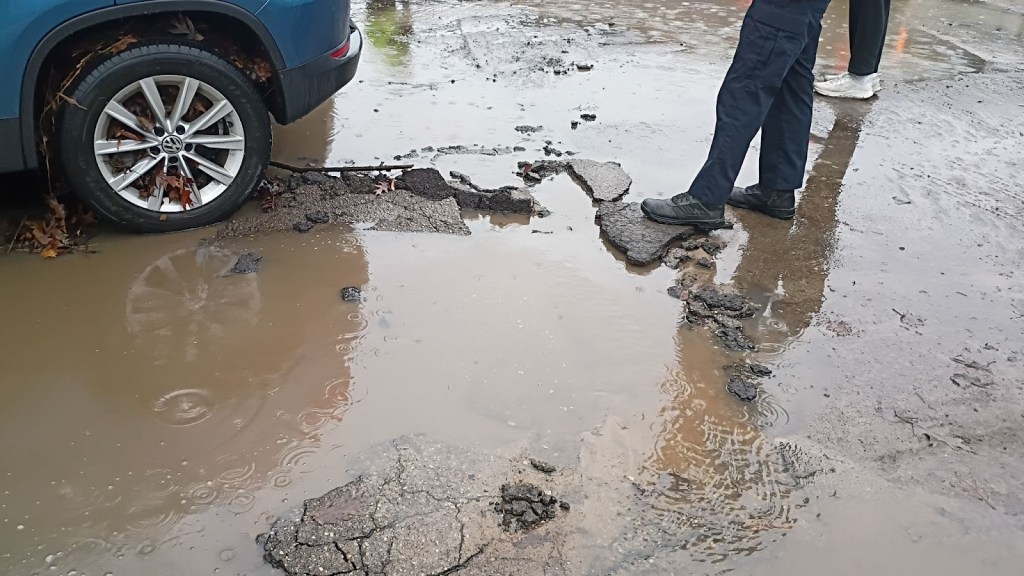
Just before returning from spring break, Aquinas students received an emergency notification from the college on behalf of Grand Rapids. Most emergency notifications this year have been car-break ins, but this one greatly differed in nature: a boil water mandate had been issued by the city for any consumers of tap water east of US 131 and North of Half Street. They explained that because of a break in a water main, water pressure dropped significantly. While this might at first thought just seem like a nuisance, low water pressure actually posits significant danger to consumers. It increases the potential to introduce bacteria and promote a strong breeding-ground, putting anyone who drinks the water directly or uses it indirectly with hygiene and home maintenance. Boil water advisories stay in effect usually between four and six days for the city to properly flush out the potentially hazardous water and perform tests on the new water.
The instructions for a boil water advisory are to bring any water used for drinking or maintenance to a rolling boil for at least one minute before consuming. This requirement, however, was concerning for a sizable number of residents on campus. While all of the apartments have kitchens in which water can be boiled, three major residences, Regina Hall, Hruby Hall, and St. Joseph Hall, lack a single kitchen entirely. The lack of a communal kitchen in these residences sets the campus apart from the norm for most campuses—at least one kitchen is available for dorms if a kitchen for each floor cannot be provided. Each hall has a room with a table and a sink with a sign on it that says “kitchen”, but truly in nature it is not. Not only do students in these residences face a lack of kitchen, but they also are forbidden from having any hot plates or singular mini cooking appliances because they are a fire hazard. Students are allowed to have microwaves, but attempting to keep water at a rolling boil for one minute will take significant time which is incredibly dangerous to do. The water can explode because of the shock of cold air it receives once the door is opened. Water bottles were distributed to the kitchenless halls (one per student!), but students had no way of heating up that little amount of water for things like taking showers or washing dishes.
Thankfully, Aquinas was removed from the boil advisory early on, but the college still asked that students run their faucets for five minutes before using them and refrain from drinking or brushing teeth with any water that was not boiled. The dining hall opted to use compostable silverware and dishware instead of the usual plastic plates to prevent dishwashing contamination. However, if this advisory had gone on longer as was expected, how would the students without kitchens have managed safely? Perhaps it’s time to start thinking about getting some communal kitchens for these three residence halls to avoid catastrophes like this in the future.

Featured Image courtesy of Business Insider


 The Saint