By Gionna Bean, Opinion Editor
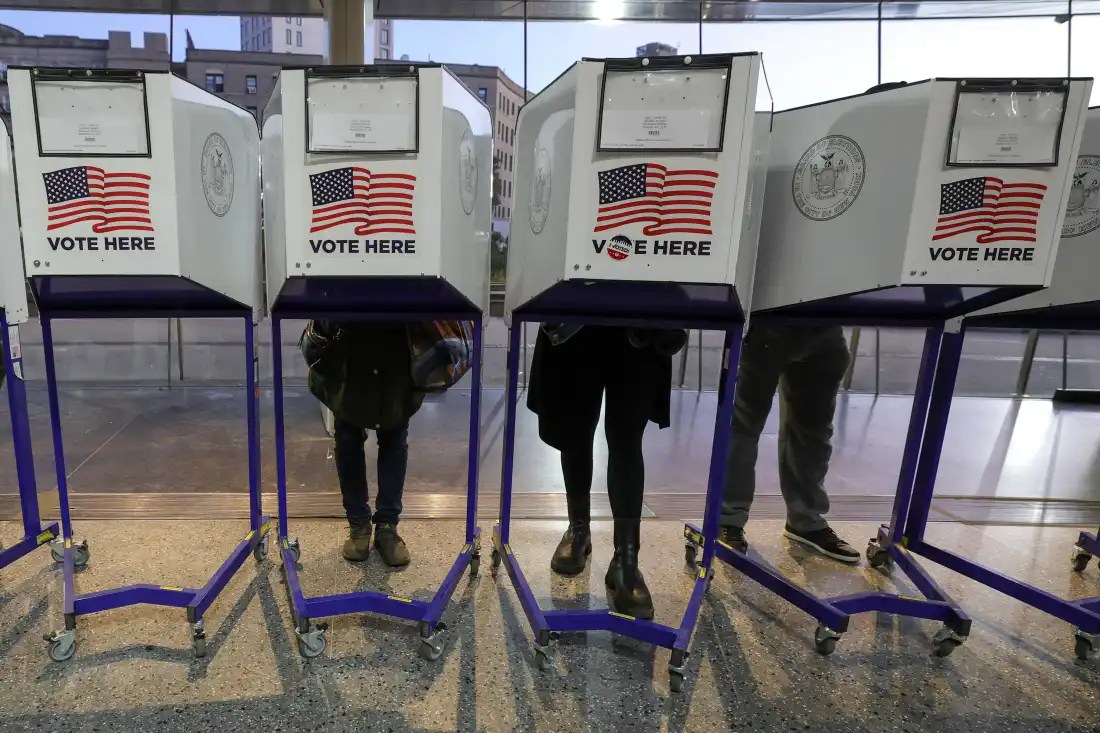
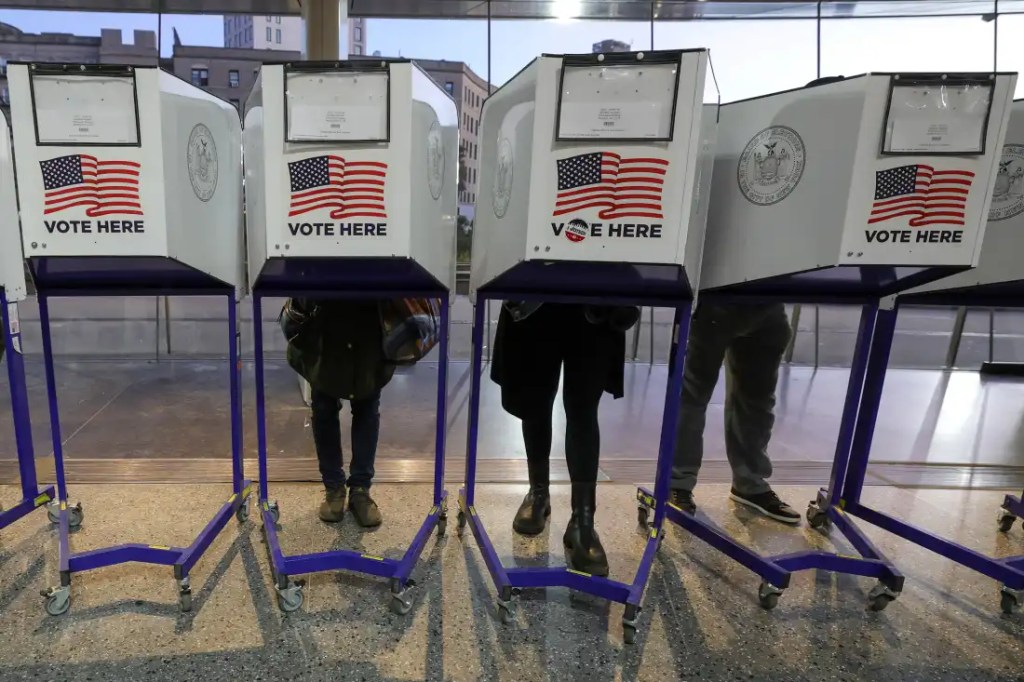
Voters show up to the polls – Photo by NPR
(Written before Nov. 3 midterm elections)
As Nov. 3, 2026 looms near and midterm elections approach, Americans are preparing to make decisions that are going to shape the country’s future. However, this election cycle is about more than choosing who is in charge of what. Concerns about election security, voting restrictions, misinformation and declining public trust are at the forefront of many people’s minds–making this year’s election particularly significant.
Unlike previous midterm elections, the 2026 cycle is happening amid increased polarization politically. The increased influence of artificial intelligence (AI) and social media has created unique challenges, allowing misinformation about candidates to spread rapidly– and in a time when people are still figuring out how to distinguish AI from reality, the ease with which lies can be believed is concerning.
Besides this, one of the biggest concerns is whether Americans can trust that their votes will be counted accurately. An Oct. 2026 AP-NORC poll found that fewer than half of registered voters had significant confidence in the accuracy of the upcoming election’s vote count.
These concerns show just how much political disagreements have expanded beyond candidates and policies to include the election process itself. The problem has encouraged some students to vote only on election day for fear that their vote may be tampered with if they opt for early voting.
“I will be voting on election day,” fifth year Zoebelle Bean said, “because I don’t trust early voting.”
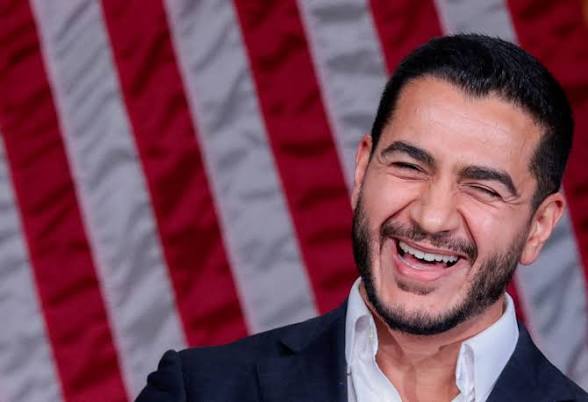
Democratic Candidate Abdul El-Sayed runs for Michigan Senate – Photo by PBS
While some Americans question the security of their votes, others are simply questioning whether their vote would matter at all. Gallup’s Oct. 2026 polling found that 56% of registered voters were more enthusiastic about voting than in previous years, suggesting considerable interest in this particular election. However, enthusiasm does not necessarily mean everyone intends to vote.
“No, I’m not going to vote,” sophomore Lauren Espy said. “I just don’t think it’ll matter all too much.”
Ultimately, the 2026 midterms will test more than political preferences. They will also test Americans’ confidence in their democratic institutions. The fact that elections are changing in importance and in the ability to trust the systems established is unavoidable.